Project
Rima Gawi
Professional pathways
Interior Architecture and Design
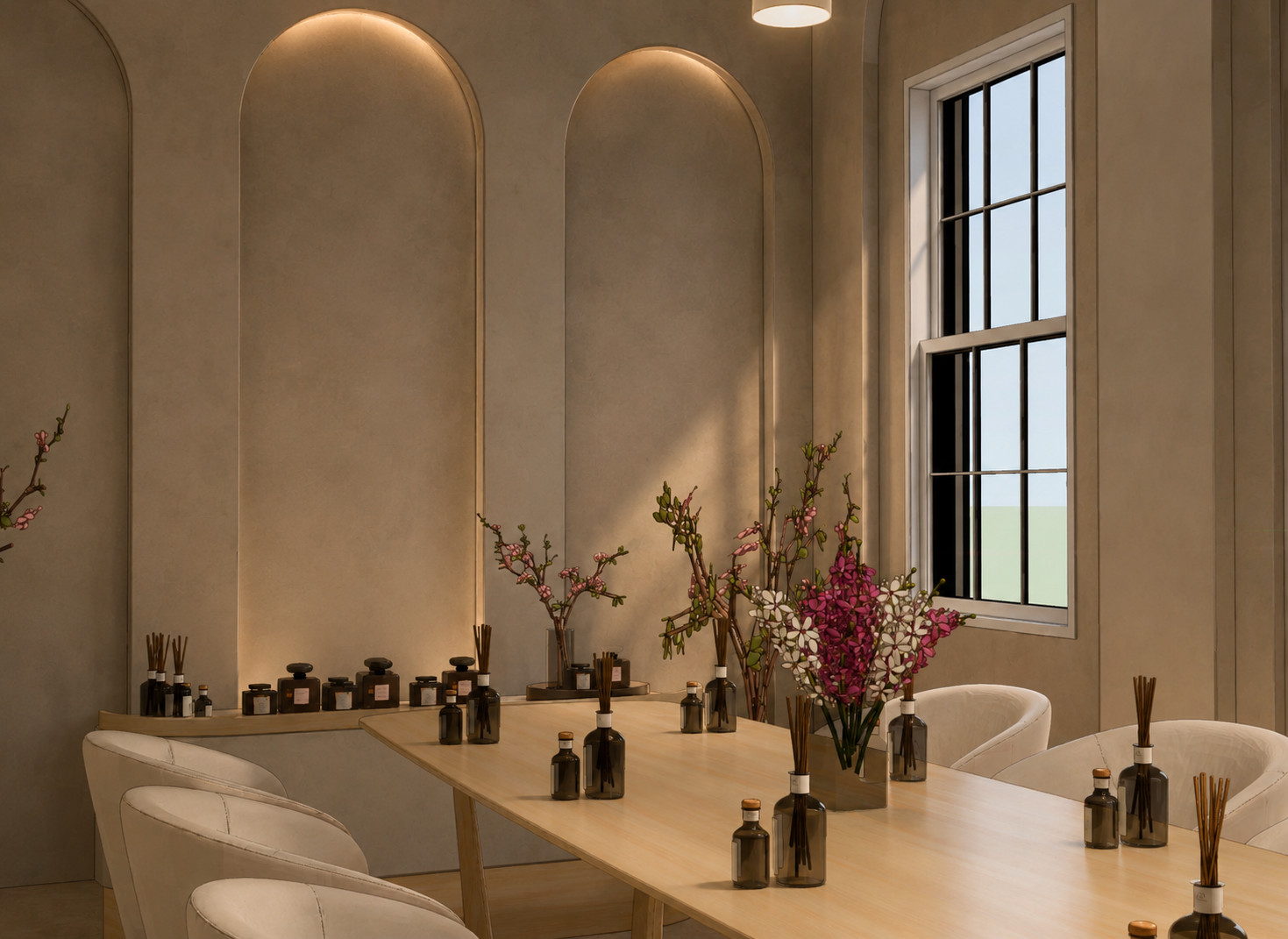
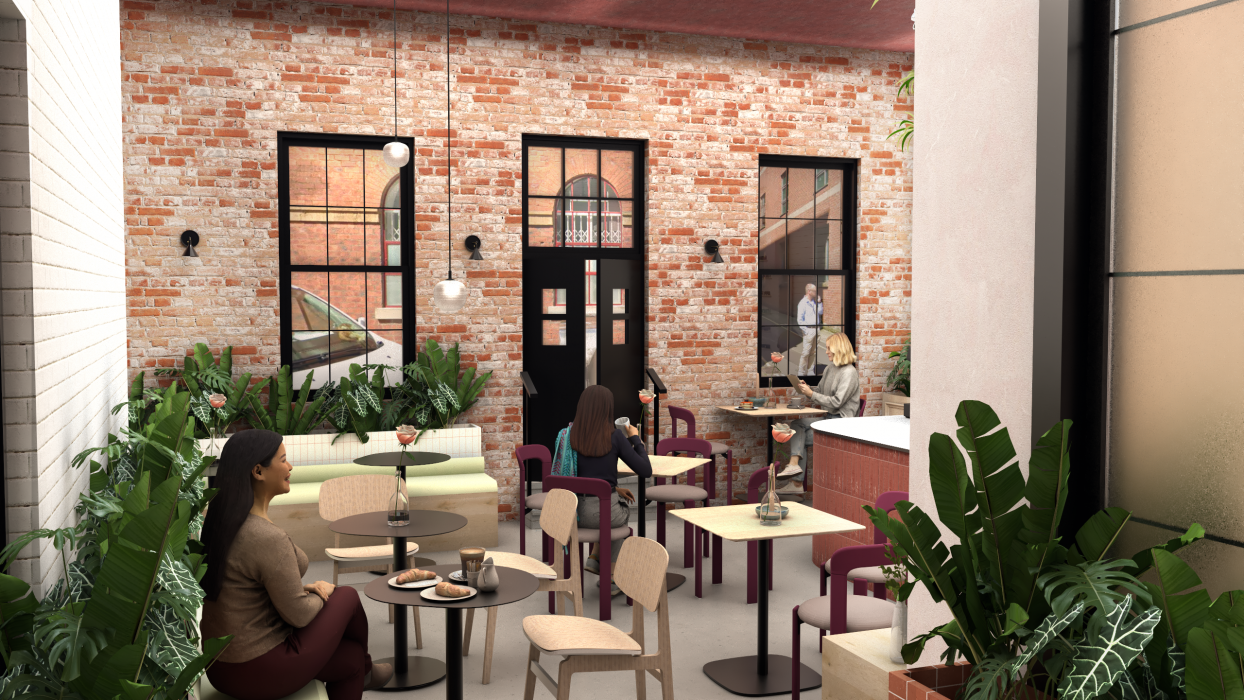
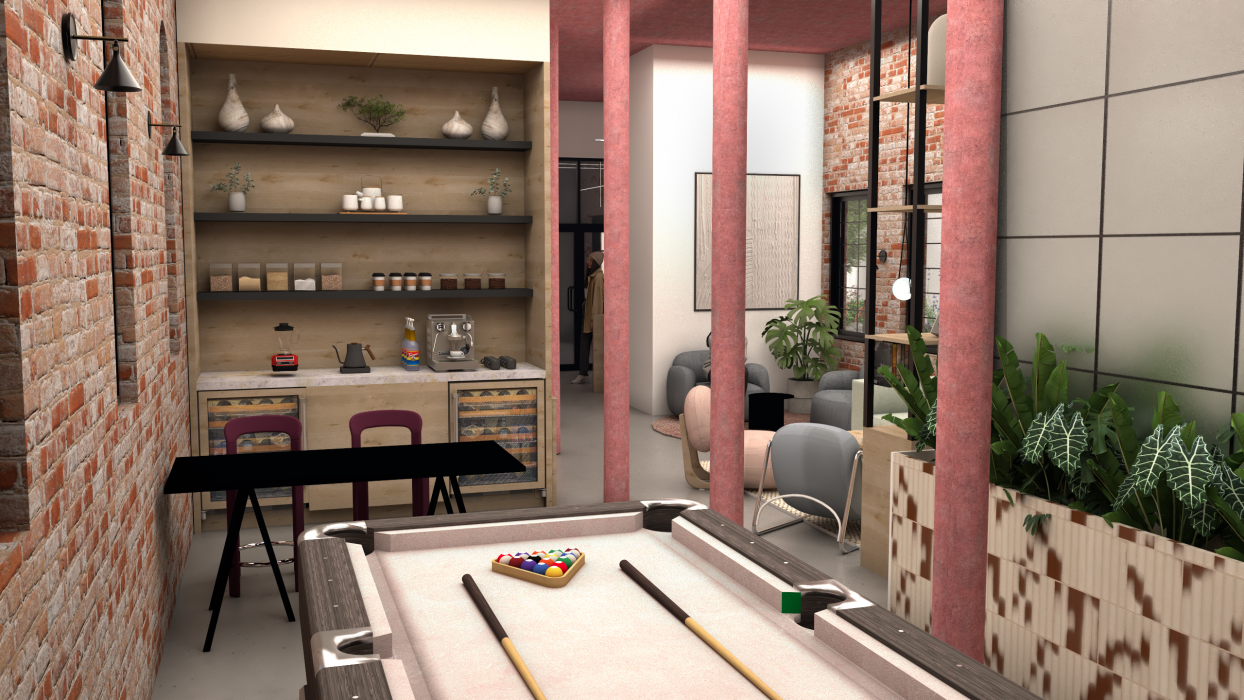
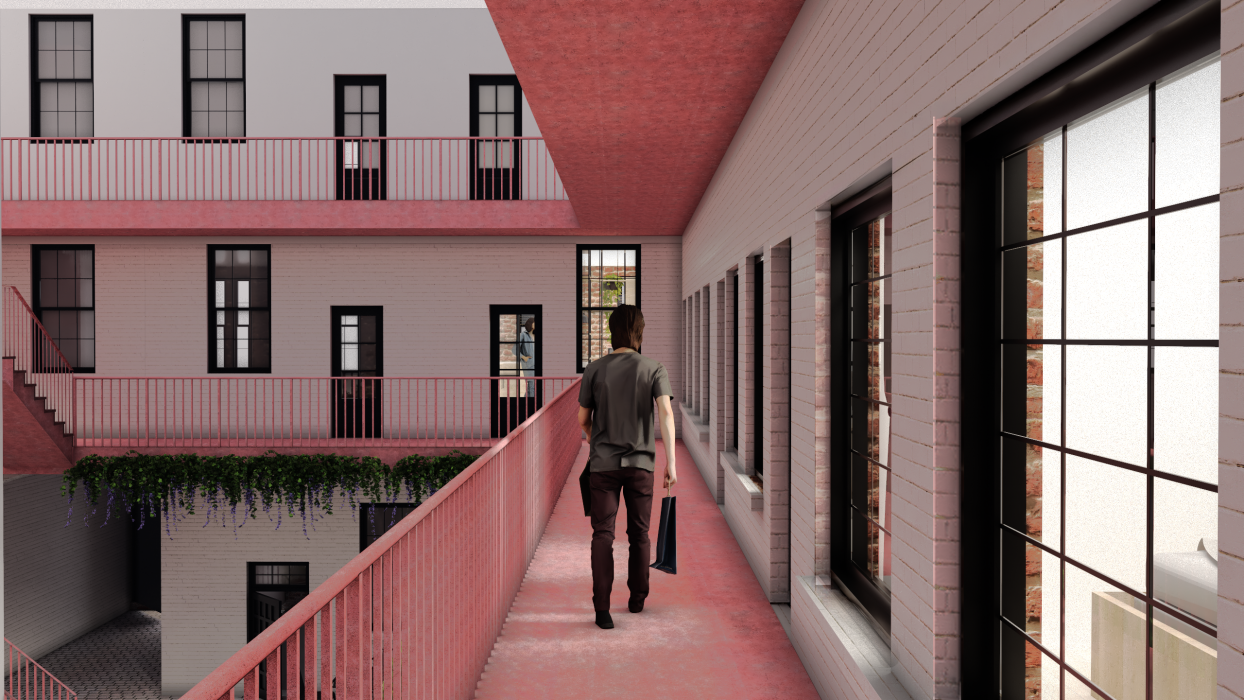
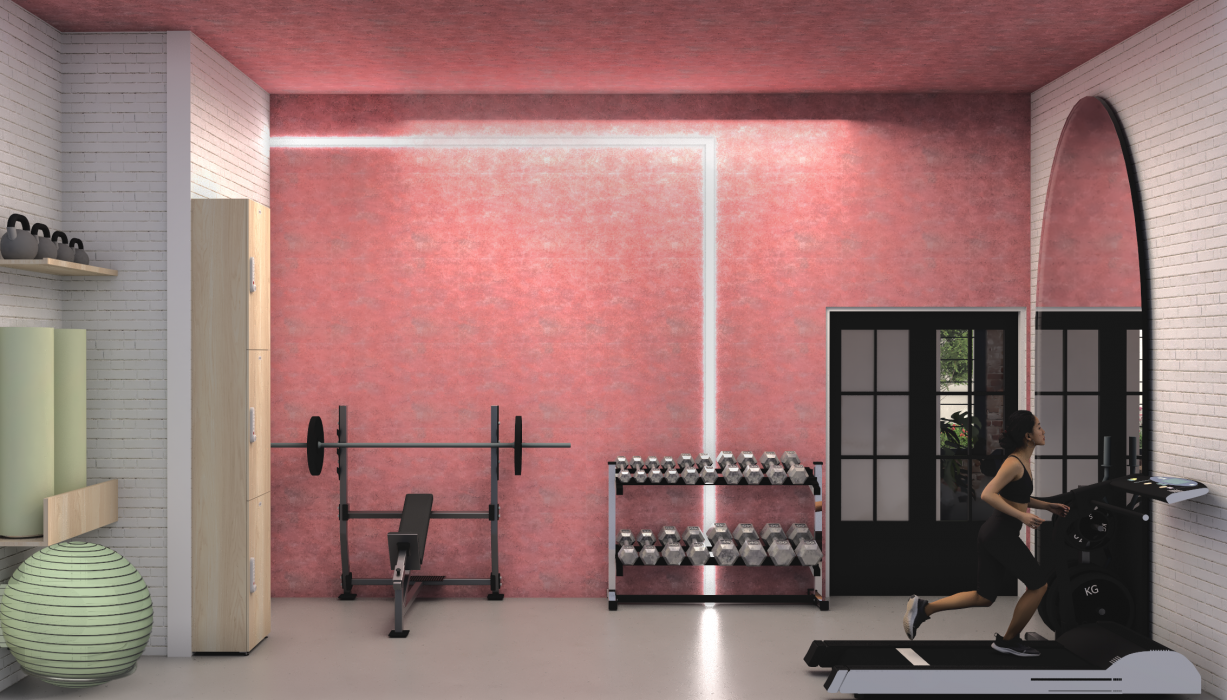
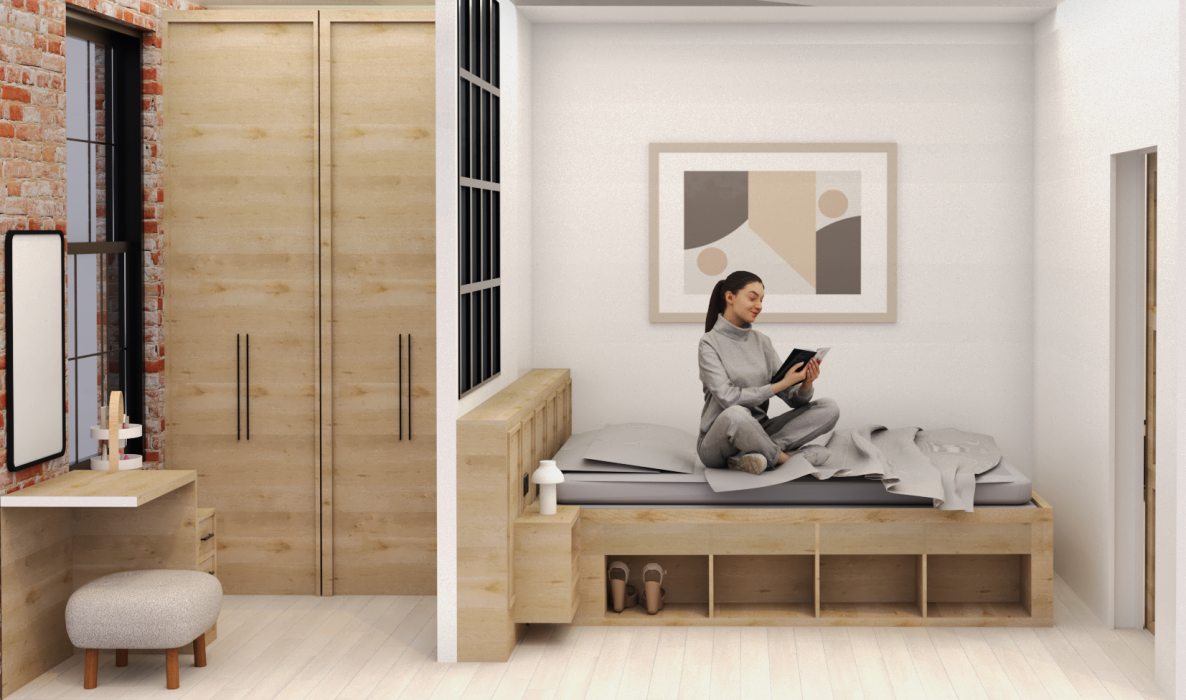
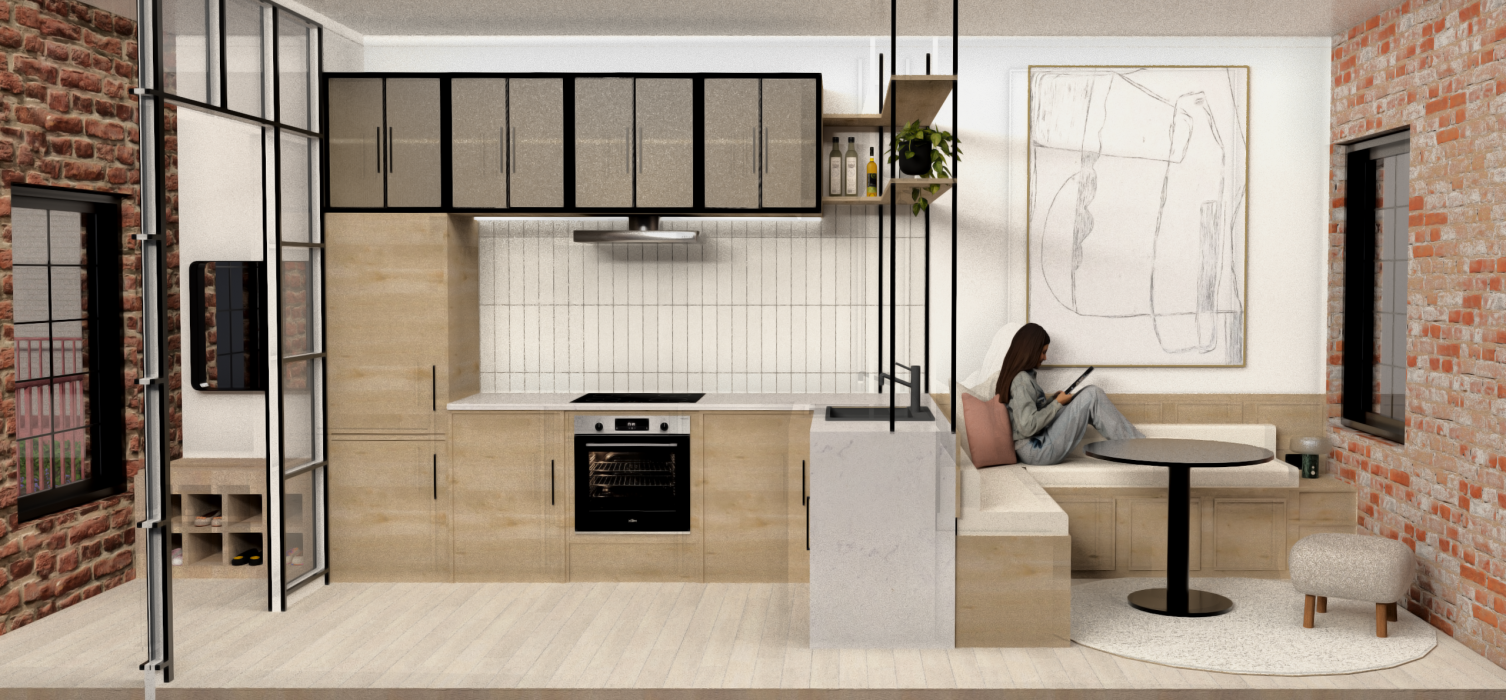
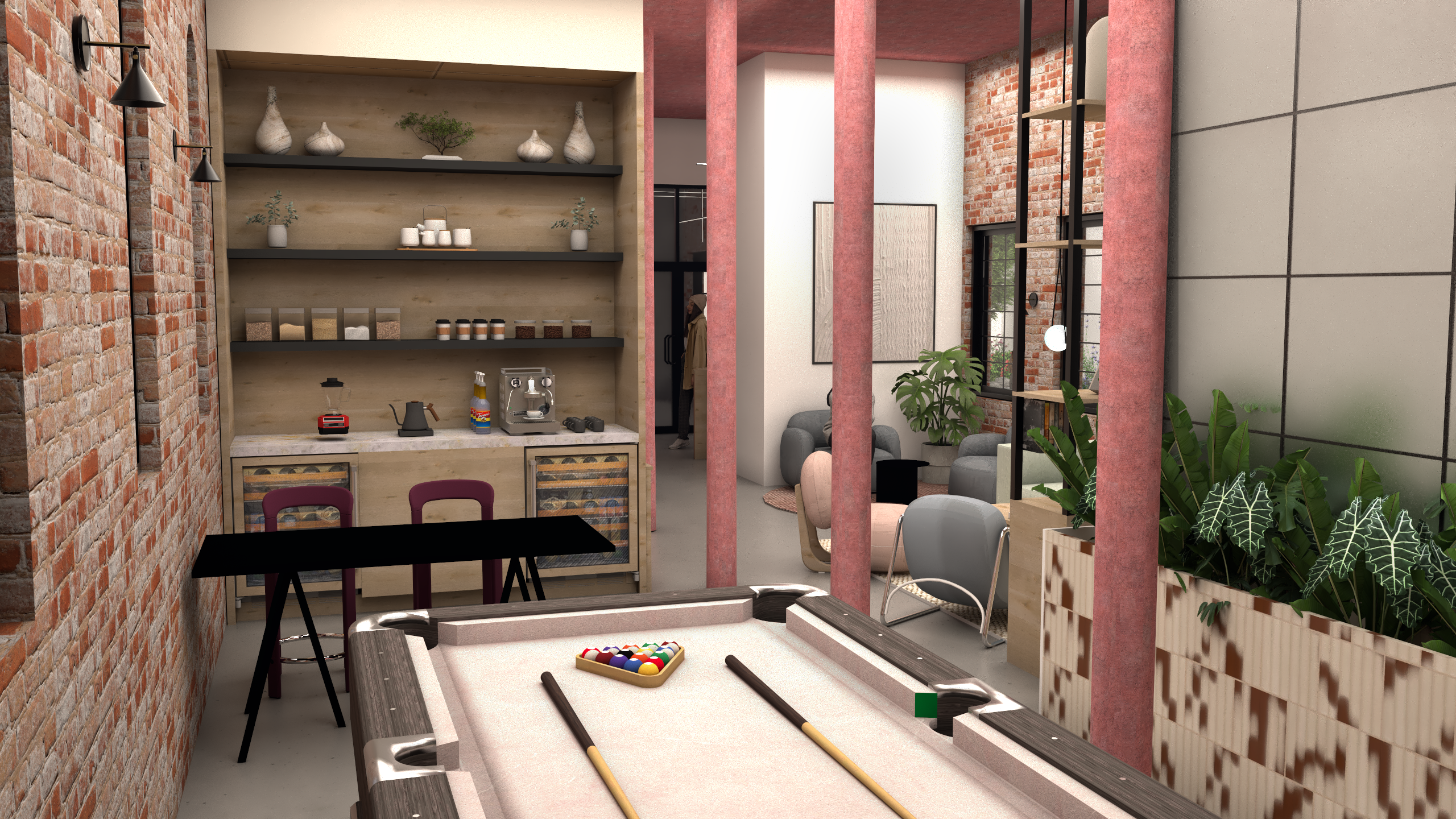
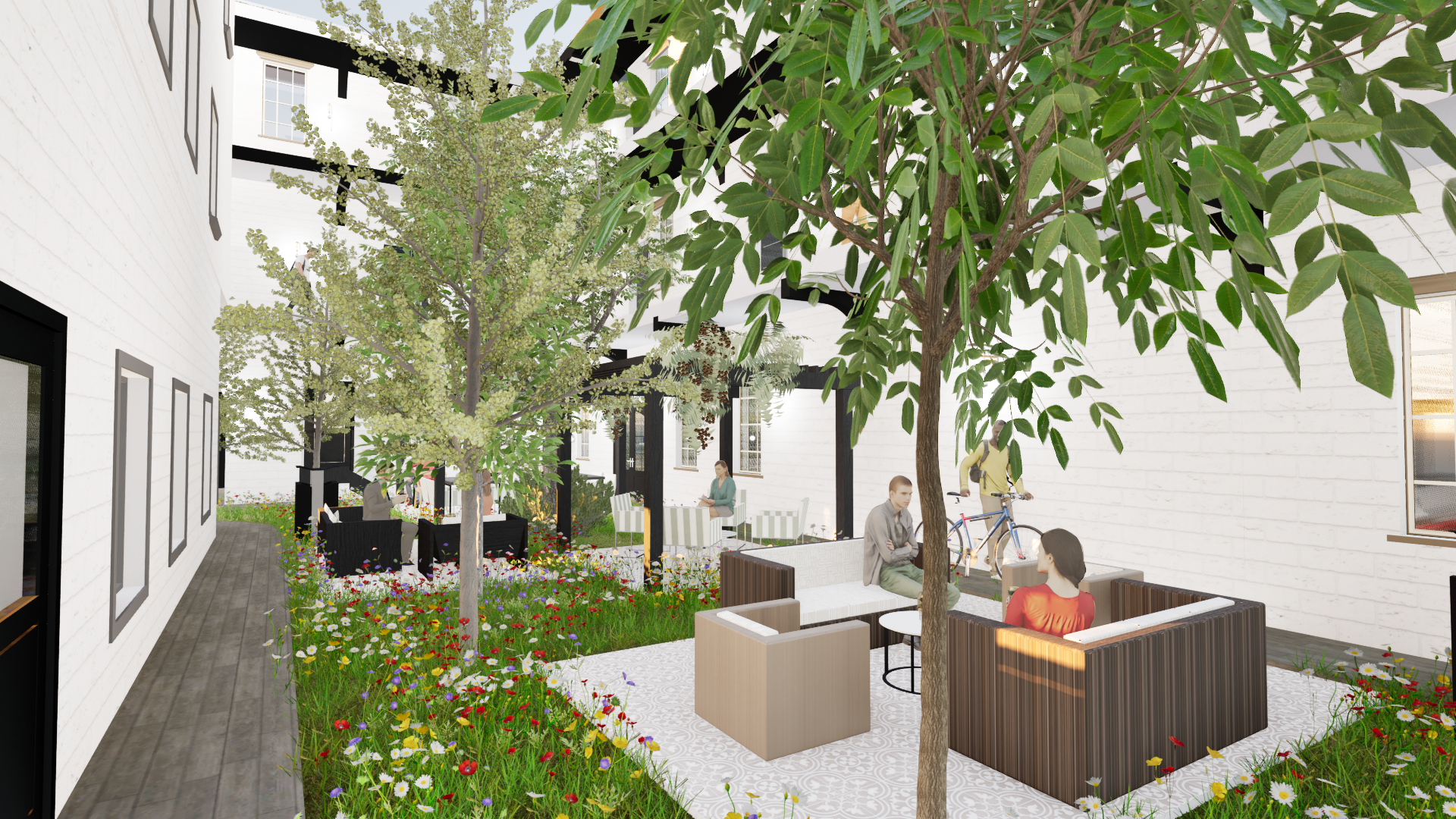
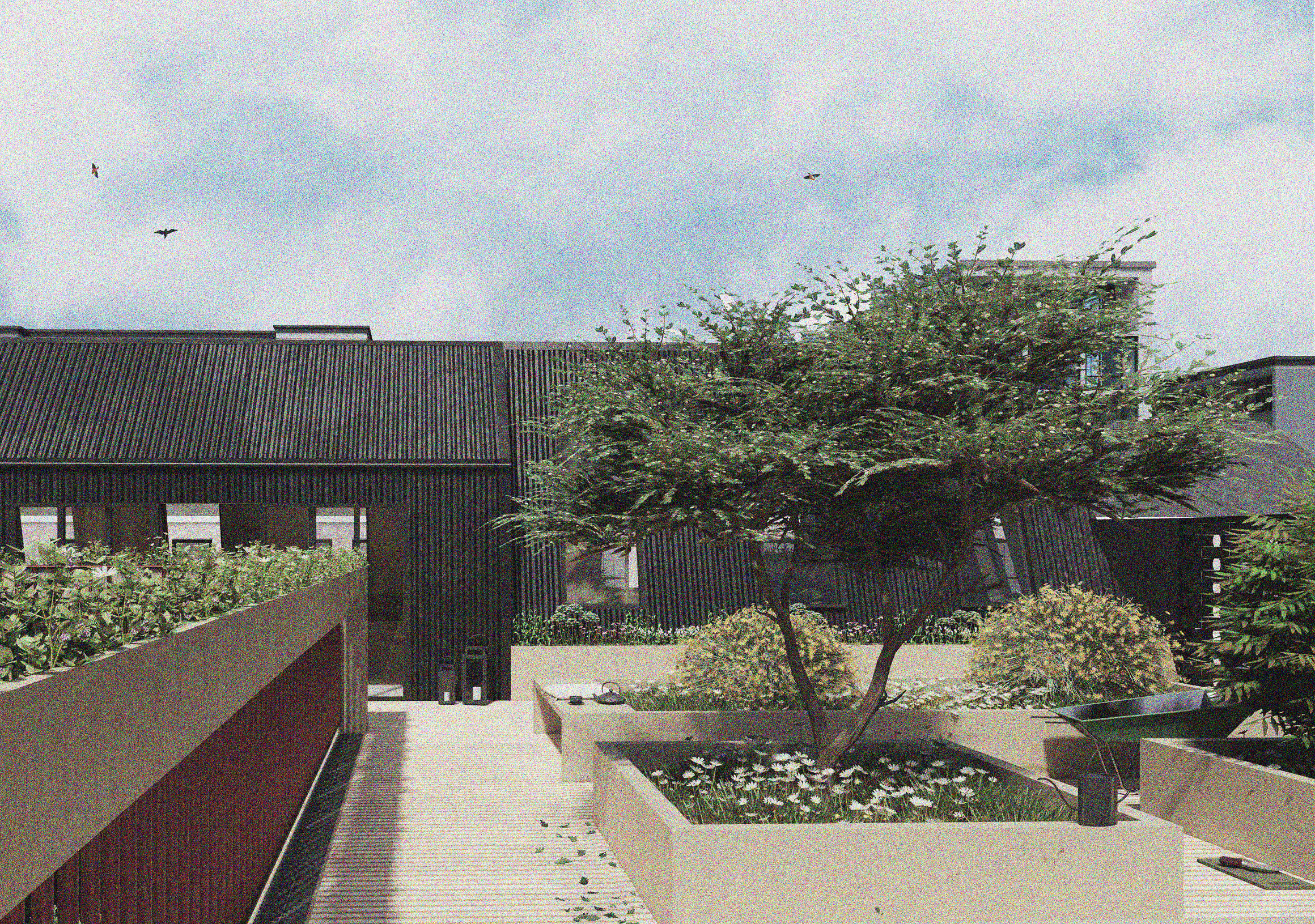
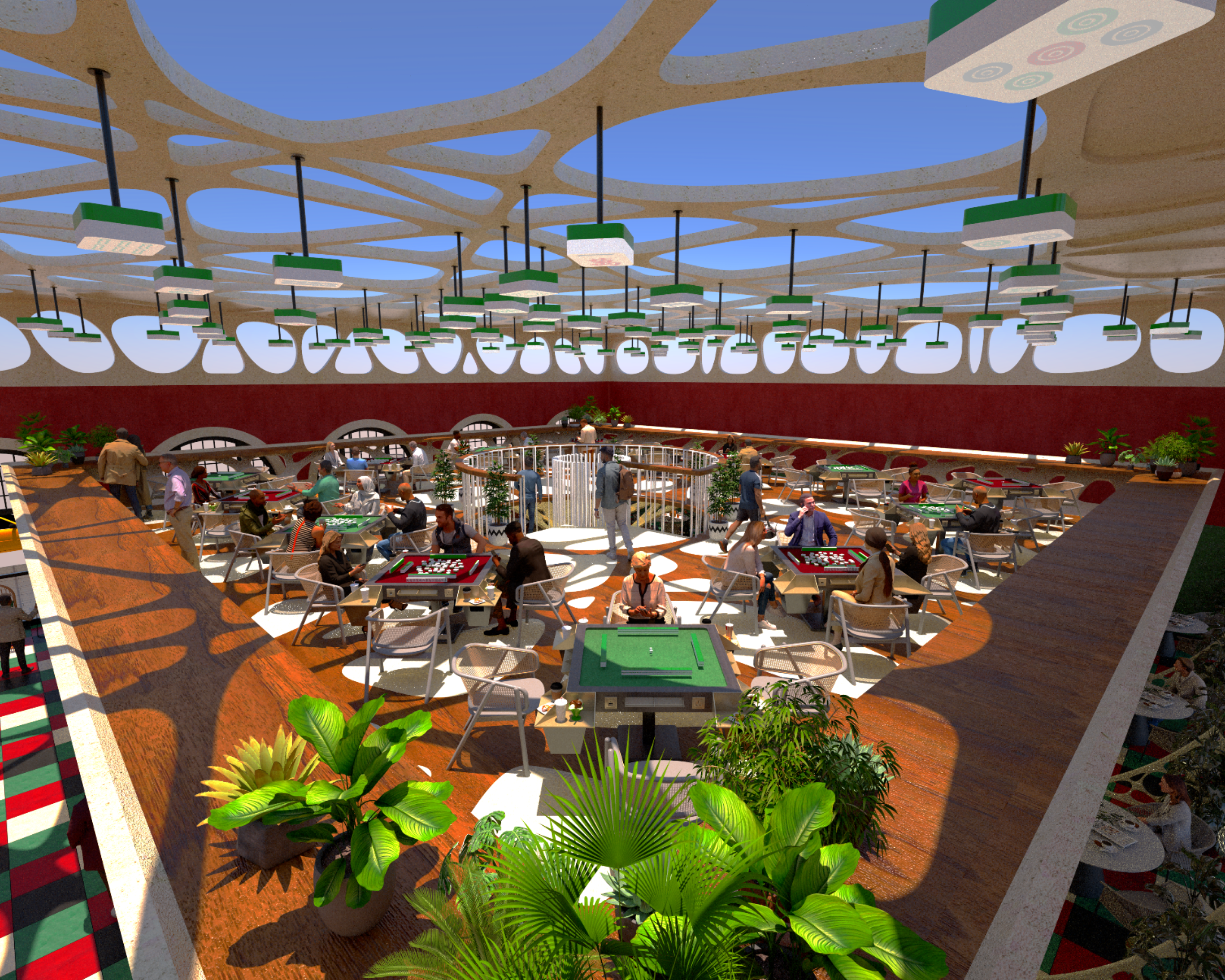
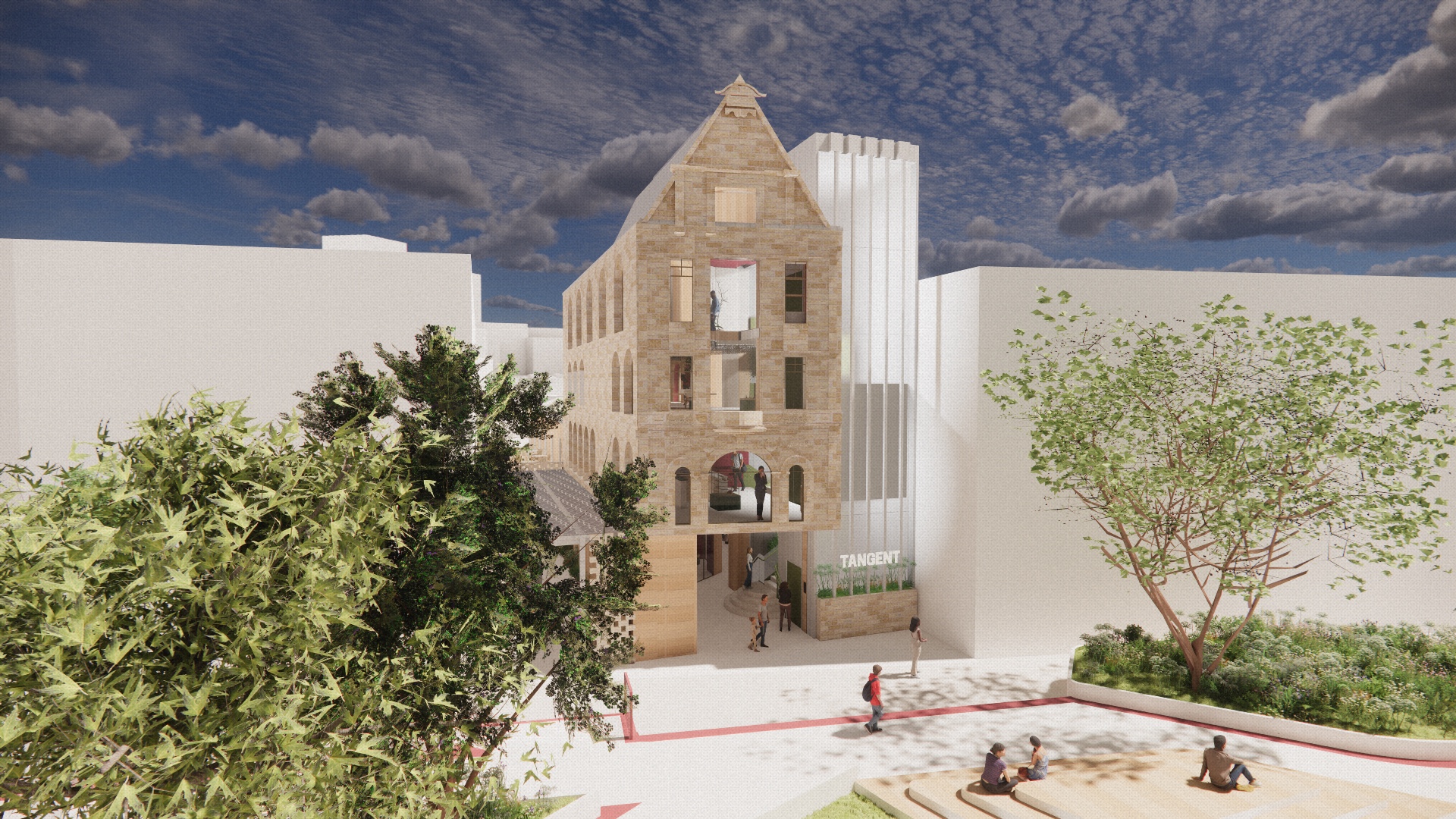
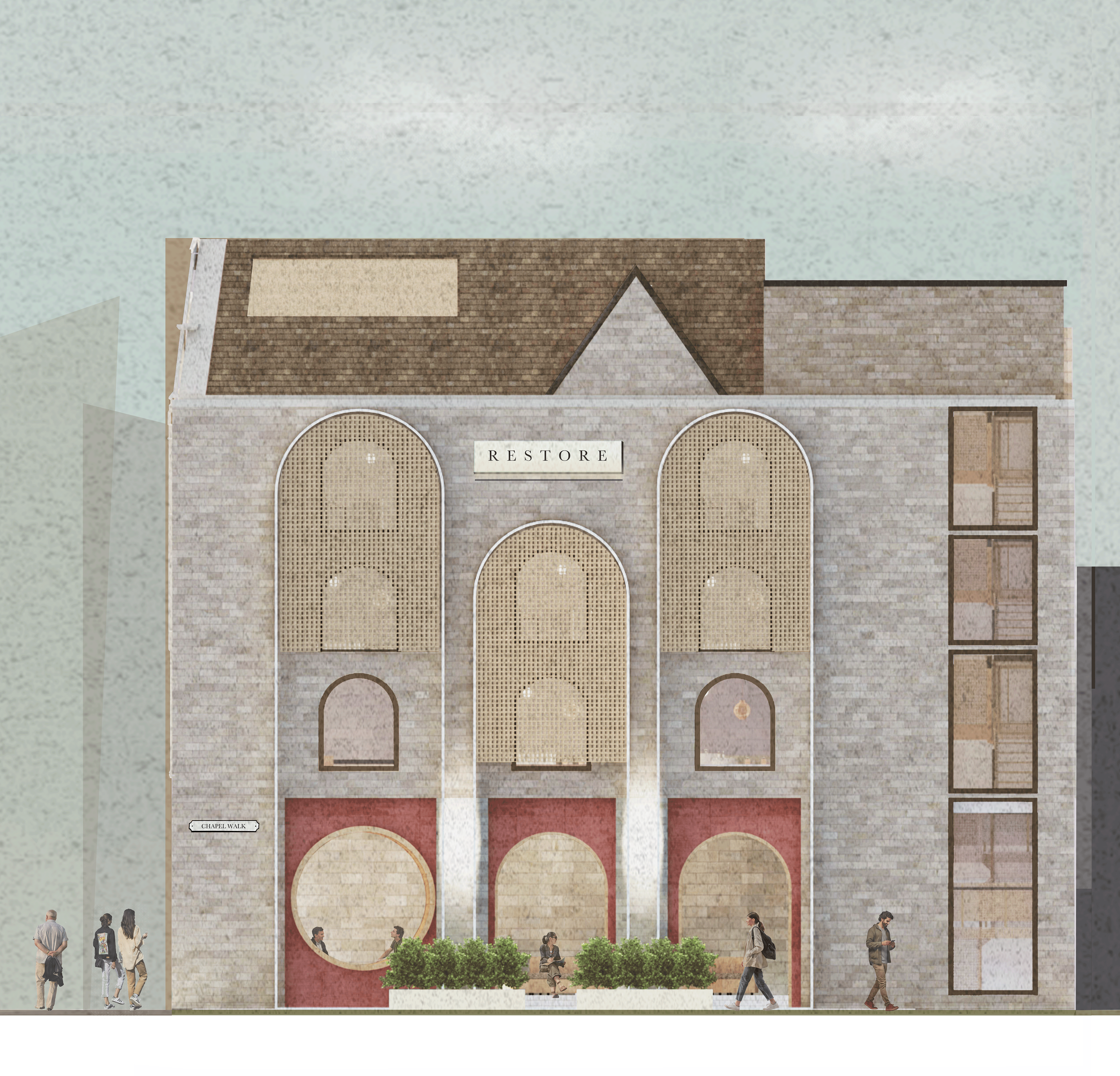
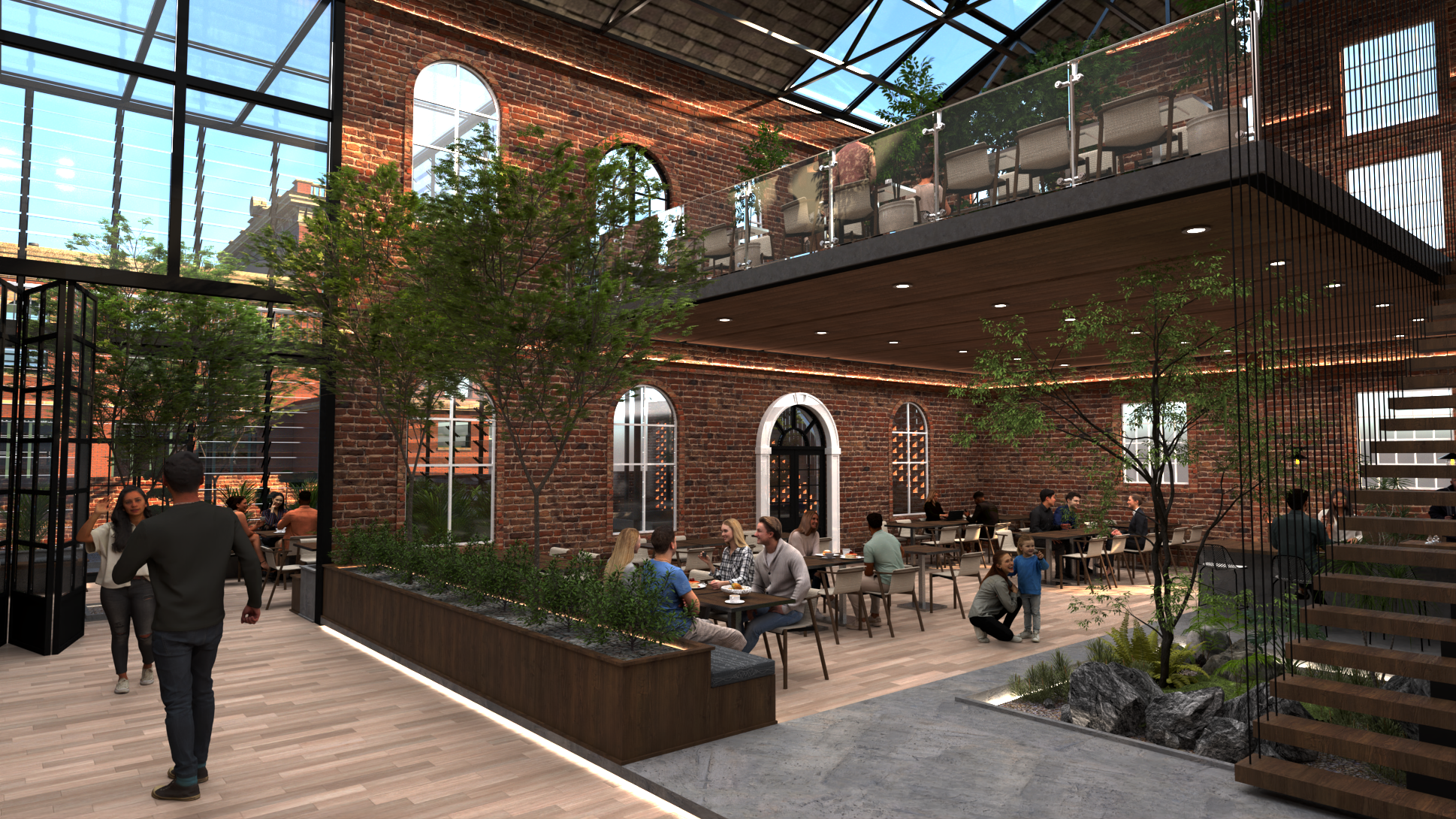
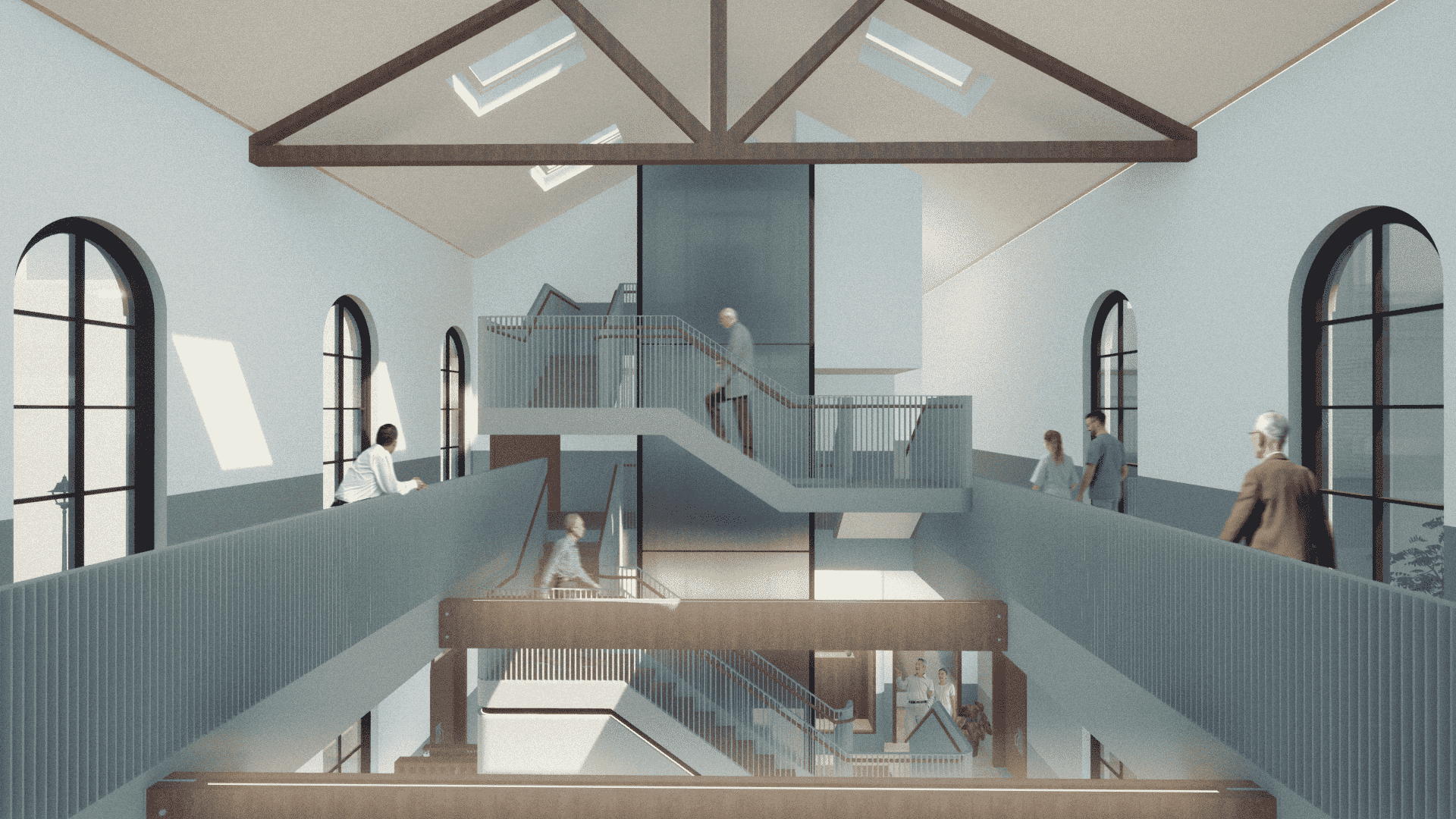
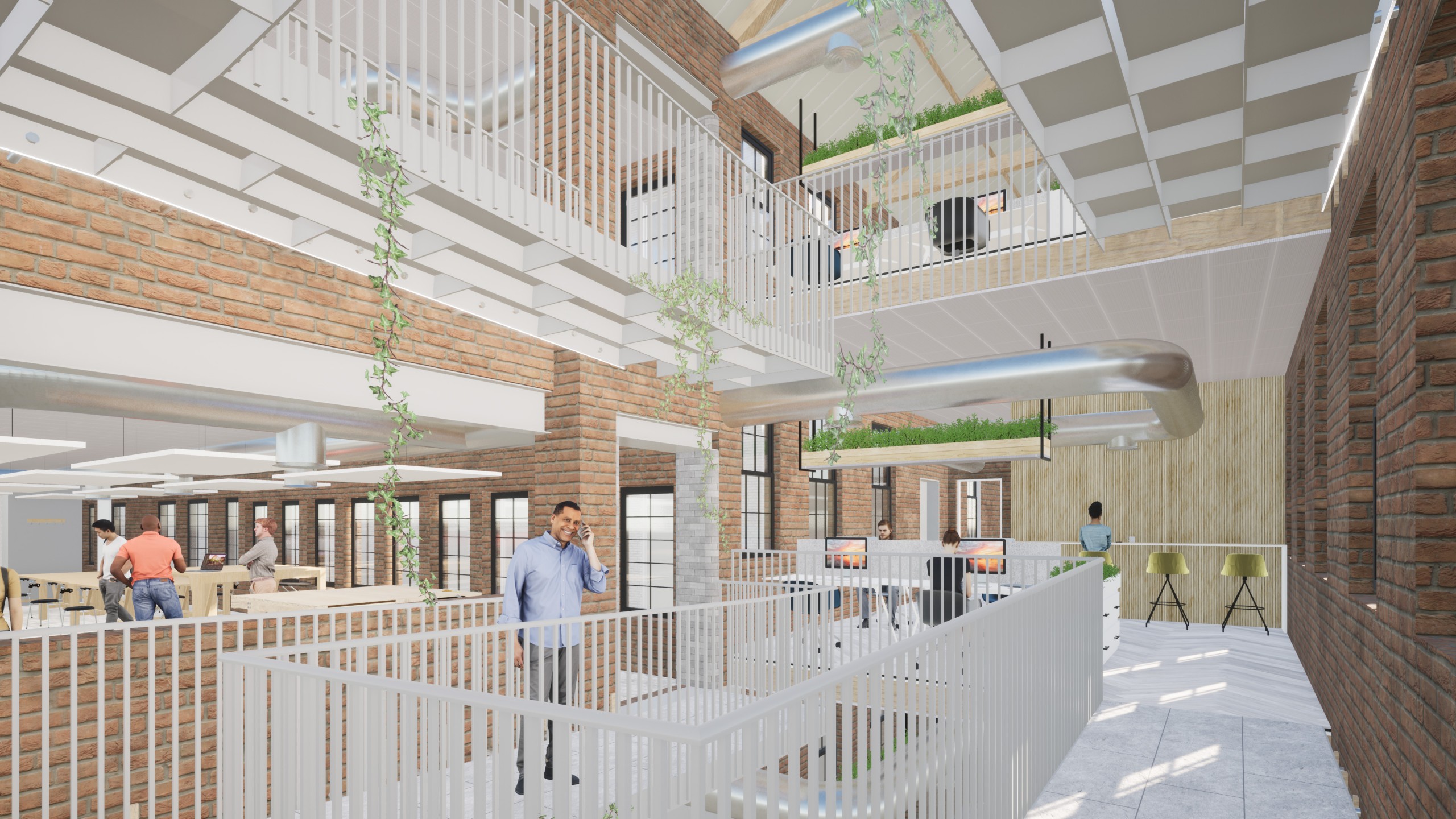
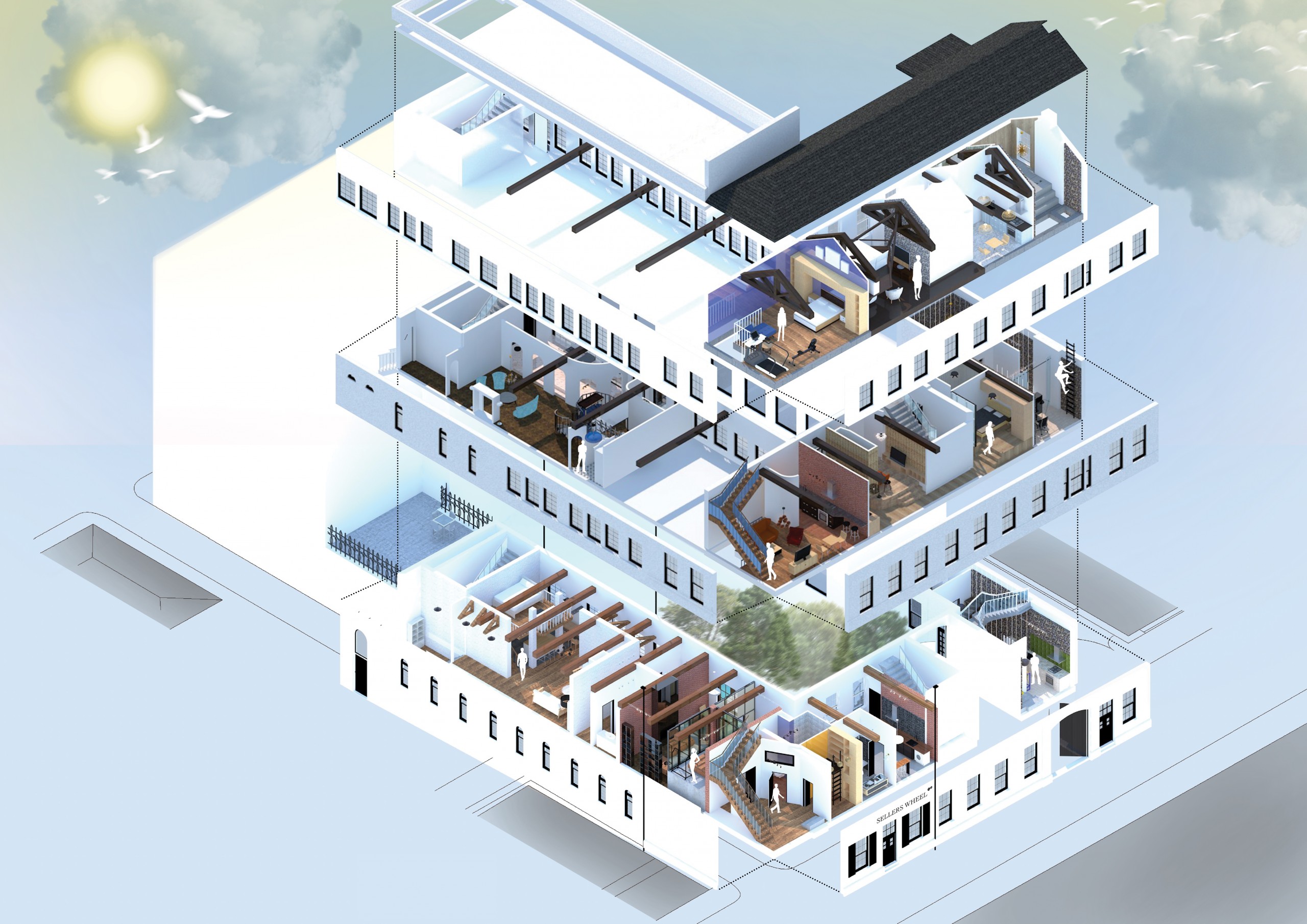
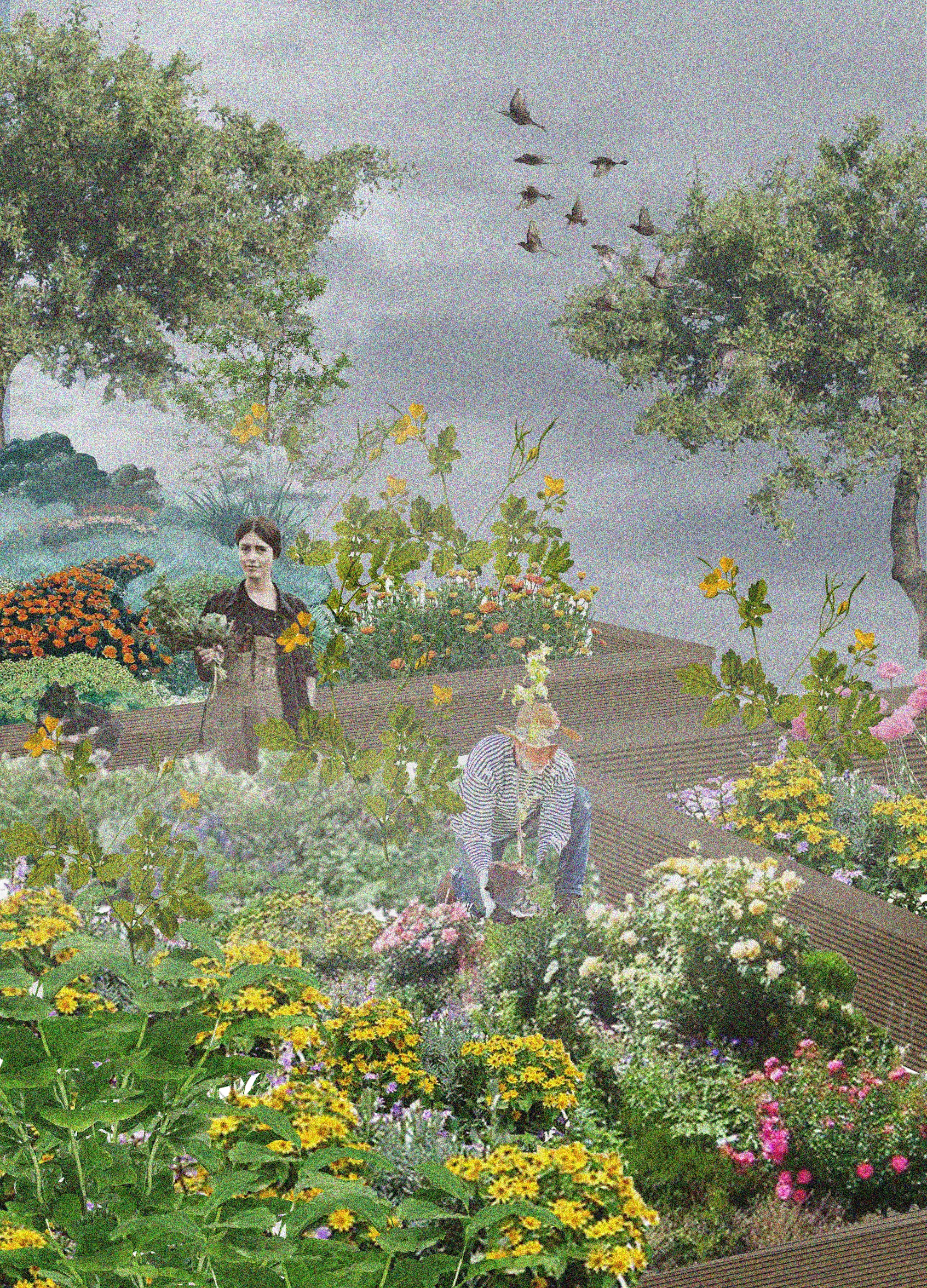
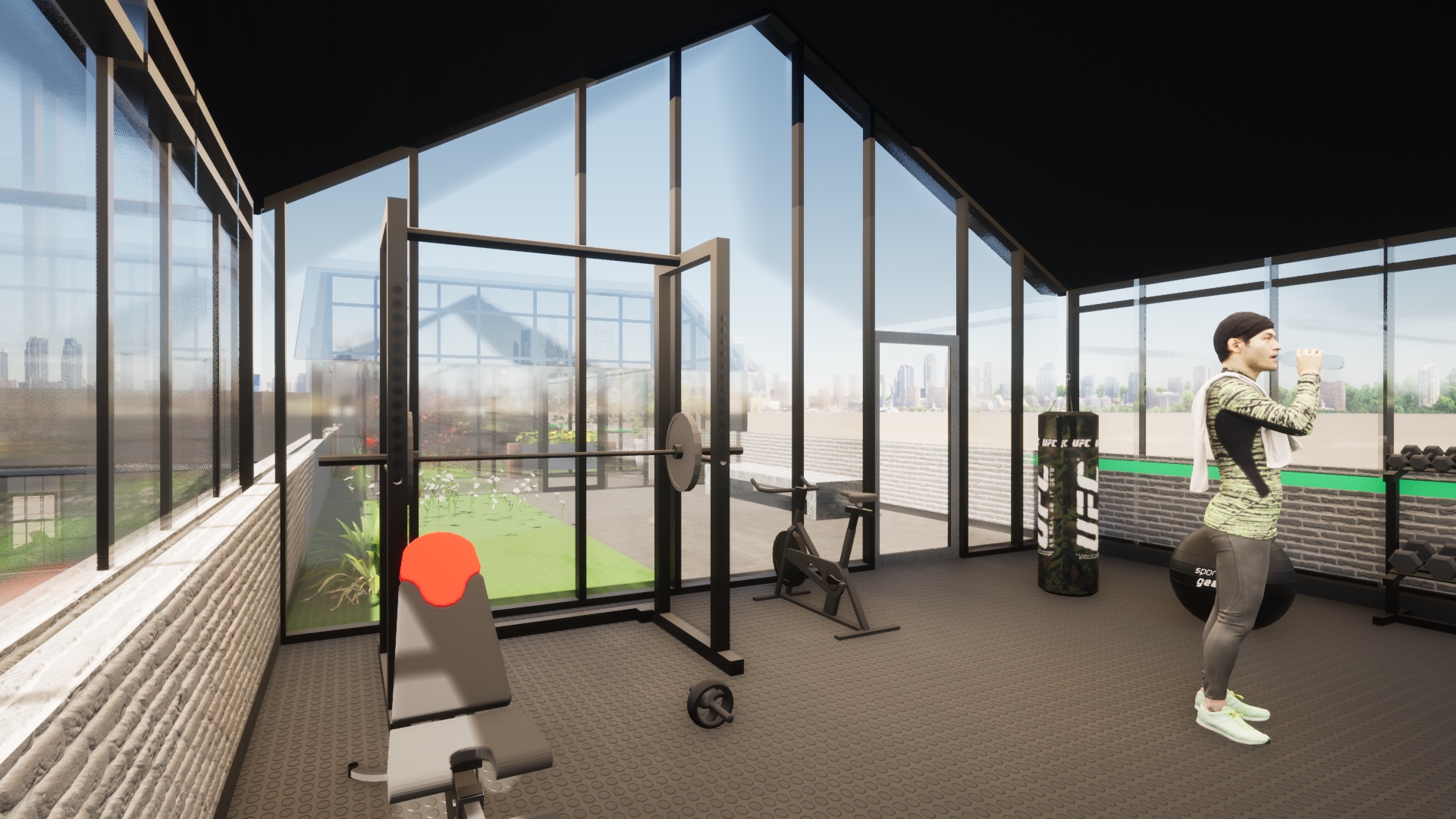
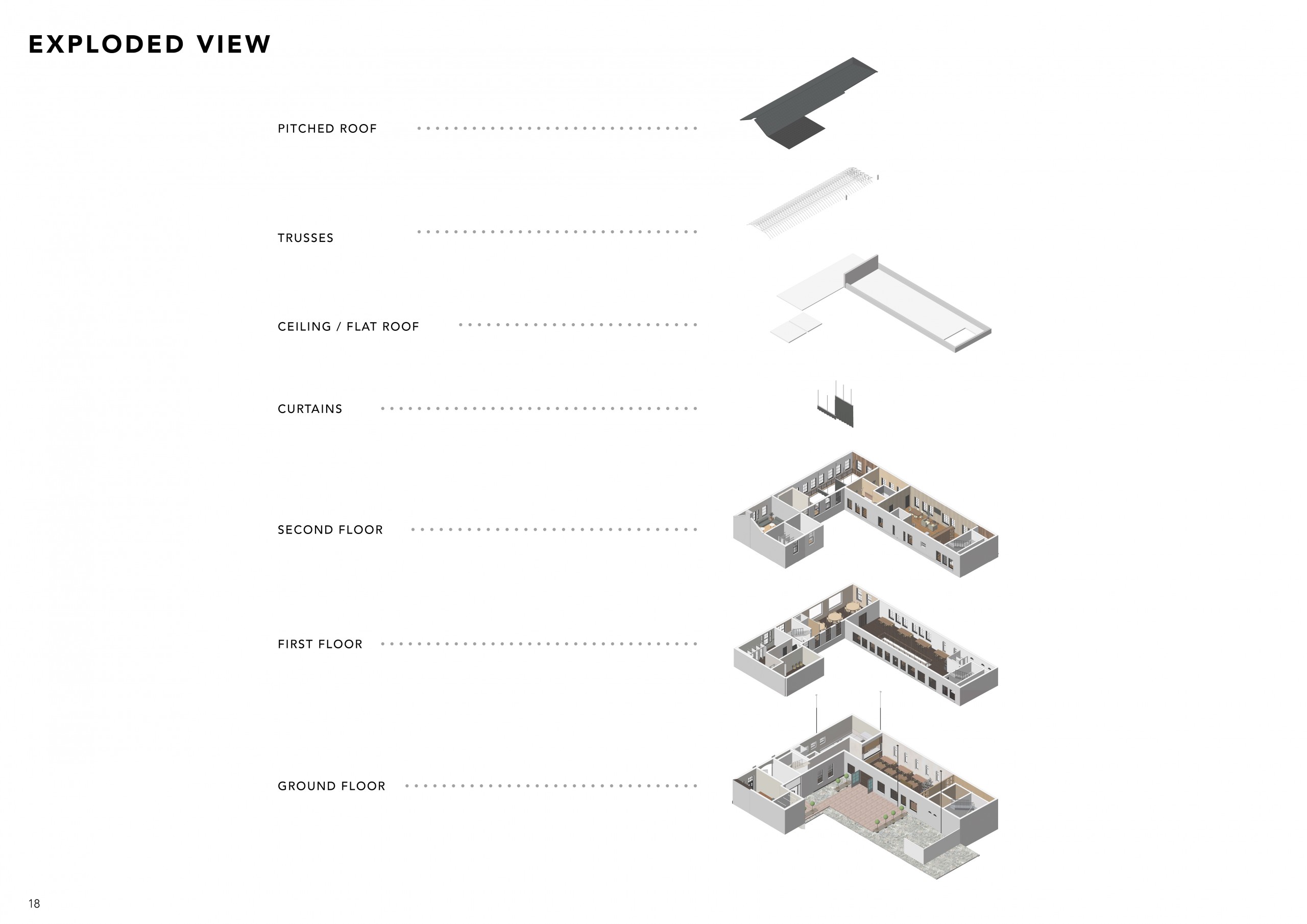
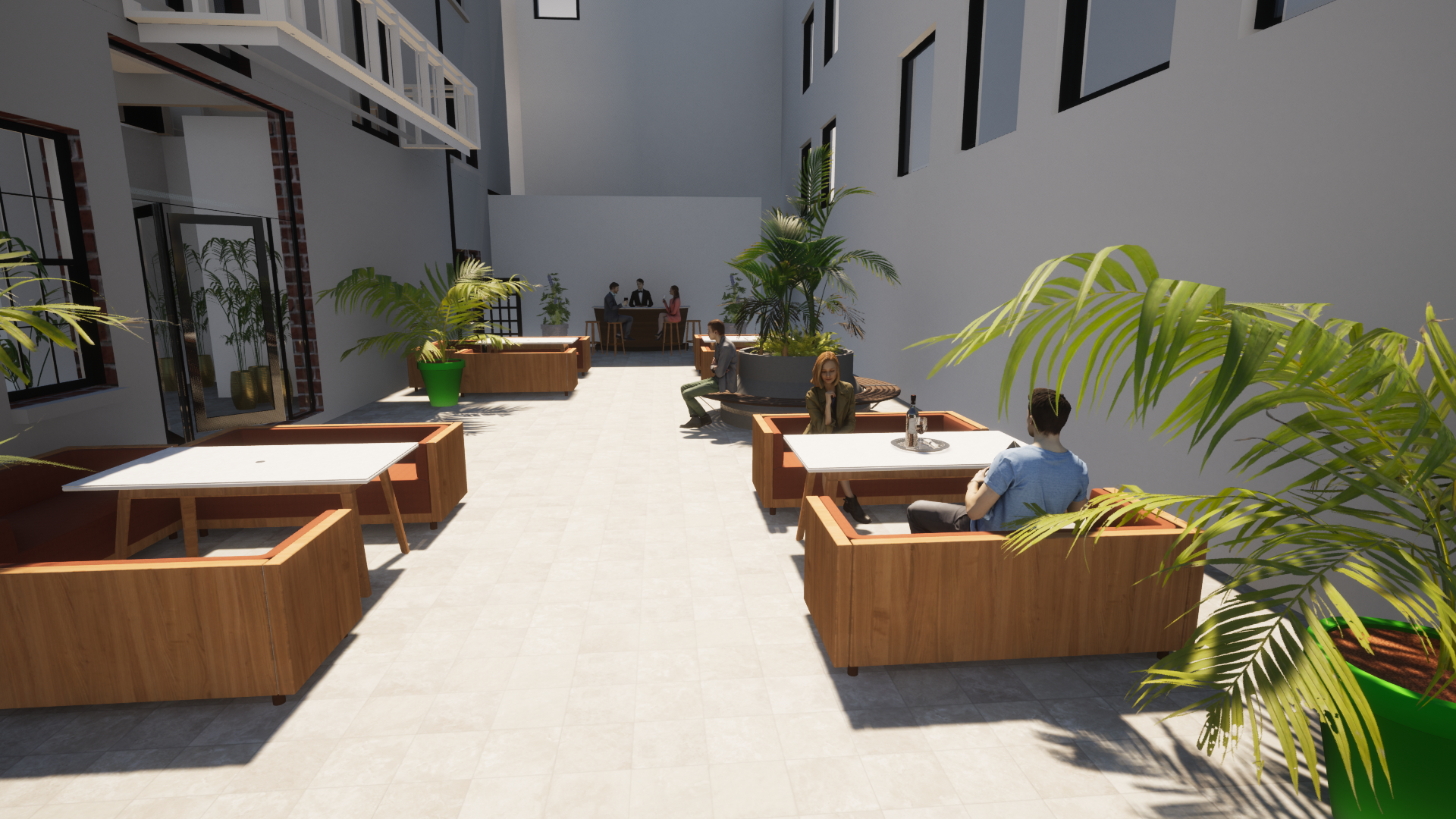
The Seller’s Wheel is a Grade II listed, purpose-built cutlery works that reflects Sheffield’s industrial heritage, with a functional layout originally designed for staged production and generous fenestration to maximise natural light. The three storey brick complex, arranged around a courtyard and defined by steel structural columns, sits within a well-connected urban location. Julia Gdula’s proposal reimagines the building as a mixed-use living environment for young professionals, combining co-living units, private studios, and shared amenities. The spatial strategy encourages social interaction and fosters a supportive community for residents transitioning into professional life. At ground level, Pommel Café acts as a key social anchor within the scheme. Inspired by the cutlery heritage of the site and named after the “pommel”—the balanced, decorative end of a knife handle—the café reflects this concept through a careful balance of industrial character and softer, human-centered design. Exposed brick and black powder-coated steel reference Sheffield’s manufacturing past, while integrated planting introduces warmth and contrast. A playful use of texture, expressed through tiles, joinery, and layered finishes, is complemented by bold green accents within the seating, creating a vibrant and inviting atmosphere. The branding subtly reinforces the conceptual narrative behind the name. Open to both residents and the public, the café is designed as an inclusive and accessible space, establishing a lively hub that connects the building’s heritage with contemporary community life. Inspired by David Adjaye and projects such as The Webster, the wider scheme blends retained industrial features—exposed brick and steel—with warm, pigmented materials and subtle colour accents. Residential spaces on the upper floors prioritise natural light and flexibility, while biophilic elements, including the courtyard and rooftop gardens, enhance wellbeing and encourage engagement with shared outdoor spaces.